Making Space for Food & Body Healing in Parenthood
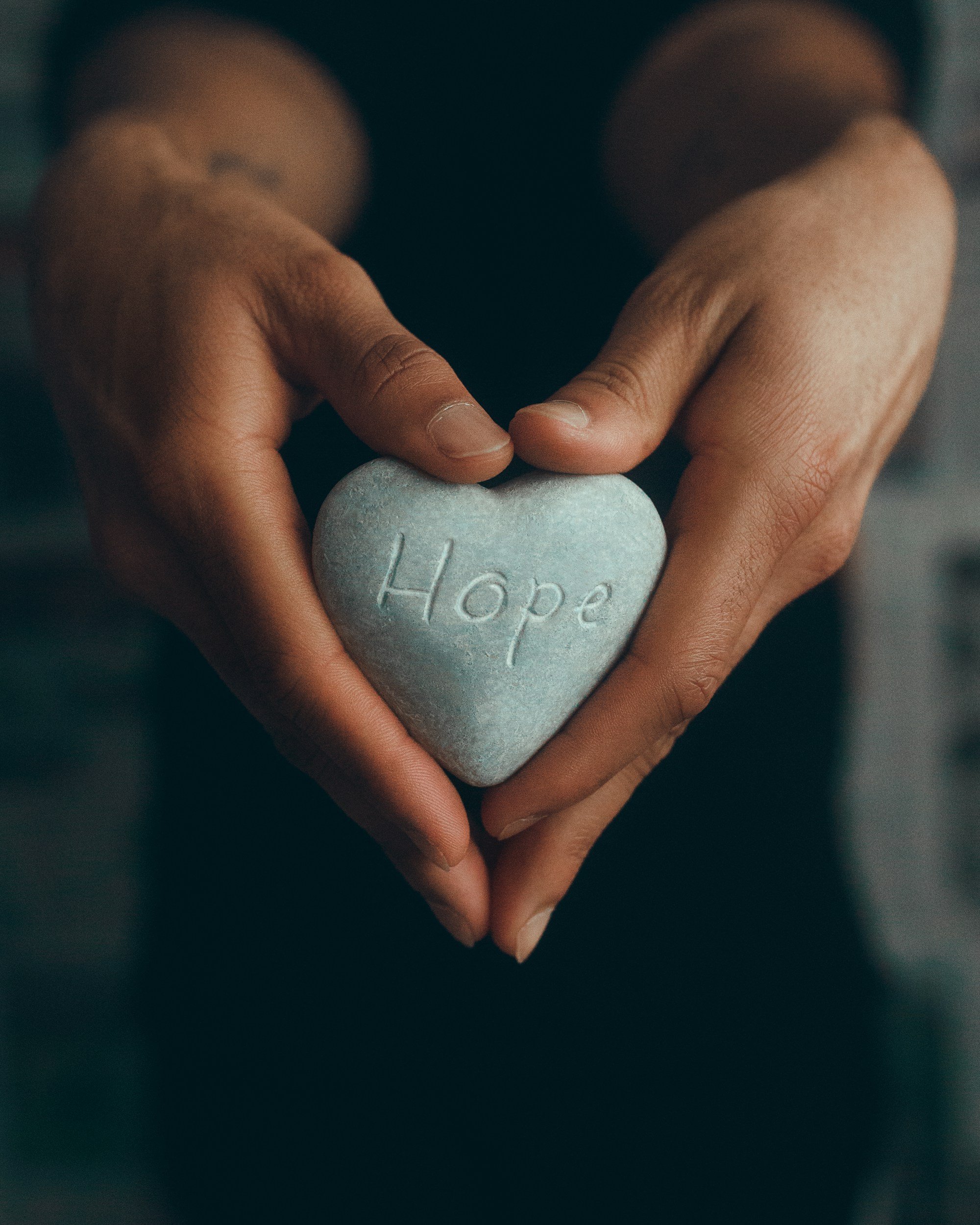
One of the most meaningful patterns I noticed in sessions throughout 2025 was this: more people felt safe enough to name their struggles with food and body during pregnancy, postpartum, and parenthood.
For many, this was the first time they had ever spoken these thoughts out loud. The first time they allowed themselves to say, “I’m struggling again,” or “I didn’t expect this to come back,” or “I thought I was past this.” That willingness to speak is not small — it is a sign of growing safety, awareness, and hope.
Why Eating Disorders Have Been So Misunderstood
For decades, eating disorders have been framed as choices. They’ve been dismissed as vanity, control, or selfishness. In pregnancy and postpartum especially, parents are often told they should feel grateful — grateful for their bodies, grateful for a healthy baby, grateful to even be here. This narrative leaves very little room for complexity or struggle.
But we know better now.
Eating disorders are not about food or weight. They are coping strategies — often rooted in trauma, chronic stress, perfectionism, or a deep need for safety and control. They develop in environments where a person feels overwhelmed, unseen, or unsafe, and they persist when those underlying needs go unmet.
It is never just about the body.
It is always about something deeper.
Why Pregnancy and Postpartum Can Reactivate Old Patterns
Disordered eating often resurfaces during seasons that feel unpredictable, tender, or destabilizing. Pregnancy, postpartum, and early parenthood bring profound changes — to the body, identity, routines, relationships, and sense of control.
Even parents who felt “recovered” for years can feel blindsided when old thoughts or behaviors resurface. This does not mean you have failed. It does not mean your healing was fake. It means your nervous system is responding to a season that asks a lot of you.
These life transitions are intense. And eating disorders often show up precisely when life feels like too much.
The Role of Shame — and the Power of Safety
Eating disorders thrive in isolation and secrecy. Shame keeps people silent, convincing them that their struggles are inappropriate, ungrateful, or burdensome. Especially in parenthood, many feel pressure to hold it all together — to be resilient, selfless, and endlessly capable.
Healing begins when that silence is broken.
When someone feels safe enough to say, “This is hard,” without being minimized or judged, something shifts. Bringing these struggles into the light does not make them bigger — it makes them more workable.
Safety creates space for compassion. Compassion creates space for change.
Looking Ahead: What I Hope for 2026
I believe 2026 can be a year where we expand that safety even further — where expecting and new parents can speak openly about their relationship with food and body, without fear of being misunderstood or dismissed.
A year where these conversations are met with curiosity instead of shame.
Support instead of silence.
Care instead of pressure to “just get over it.”
If you are navigating these struggles, you are not broken — and you are not alone. And if you are a provider, partner, or loved one, your willingness to listen without judgment can be life-changing.
Let’s keep making this possible, together.