Eating Disorders During Pregnancy and Postpartum: What Every Therapist (and Mom) Should Know
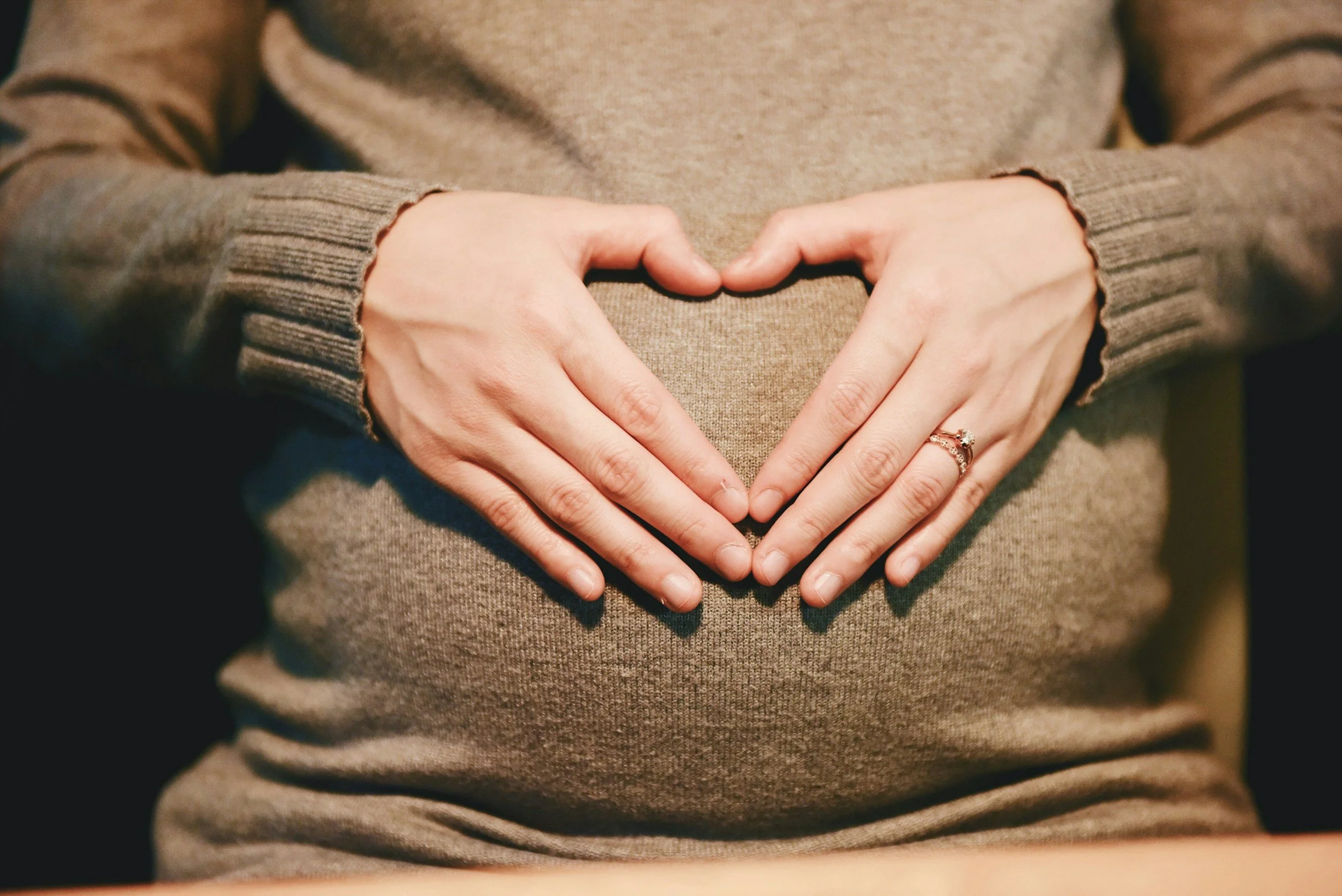
Eating disorders during pregnancy and postpartum are far more common than most people realize - and far more likely to go undetected. If you’re a therapist working with perinatal clients, or a mom navigating a complicated relationship with food and your body, this is something worth understanding.
Eating Disorders Don’t Pause for Pregnancy
Approximately 5–7.5% of women experience an eating disorder during pregnancy. In the postpartum period, that number nearly doubles.
That’s not a rare edge case. That’s a significant portion of the pregnant and postpartum women that therapists, OBs, midwives, and pediatricians see every single day - many of whom are never screened, never asked, and never treated.
The perinatal period is one of the most physically and emotionally complex seasons of a person’s life. For someone with a history of disordered eating, it can also be one of the most vulnerable.
Why Perinatal Eating Disorders Go Undetected
One of the biggest barriers to identifying eating disorders during pregnancy and postpartum is the image most people have of what an eating disorder looks like.
Ninety-four percent of people with eating disorders live in “average” or higher weight bodies. That means the vast majority of people who are struggling will never fit the narrow physical profile that providers - and patients - have been taught to look for.
If screening only happens when someone looks a certain way, we are missing almost everyone.
The Cost of Delayed Treatment
There’s a common assumption that even if something gets missed now, it’ll get caught eventually. But that delay has real consequences.
Research shows that recovery from anorexia is significantly worse when the disorder goes untreated for more than three years. That window matters - and missing it can mean a worsening condition, hospitalization, or in the most serious cases, death. Eating disorders carry the highest mortality rate of any mental health diagnosis.
Early identification and treatment of eating disorders during the perinatal period isn’t just good clinical practice. It’s potentially life-saving.
The Impact on Children
The stakes extend beyond the parent.
Twenty-two percent of children and adolescents worldwide show signs of disordered eating. A parent’s relationship with food and their body - the language they use, the behaviors they model, the way eating is talked about at home - shapes how a child learns to relate to food and their own body from the very beginning.
Treating a perinatal eating disorder is an investment in the next generation, not just the individual.
What This Means for Therapists
Routine screening for eating disorders during the perinatal period should be standard practice - not something reserved for clients who appear underweight or visibly unwell. If you work with pregnant or postpartum clients, disordered eating is part of the clinical picture worth asking about.
If eating disorders aren’t your specialty, that’s okay. Knowing when and how to refer to a perinatal mental health therapist who specializes in this area is its own form of excellent care.
What This Means If You’re a Mom
If you’re pregnant or postpartum and you have a complicated history with food, eating, or your body - you are not alone, and you deserve support from someone who understands both perinatal mental health and eating disorders.
You don’t have to look a certain way for your struggle to be real. And you don’t have to navigate this season without support.
If you’re in Washington State and looking for a therapist who specializes in perinatal mental health and eating disorders, I’d love to connect. Book a free consultation here.
About the Author
Andrea is a licensed therapist in Washington State specializing in perinatal mental health, body image, and eating disorders. She works with individuals, mothers, and couples using EMDR and IFS, and is passionate about helping women feel supported through every part of the transition into motherhood.