“Healthy habits” that are actually sabotaging your relationship with food in motherhood
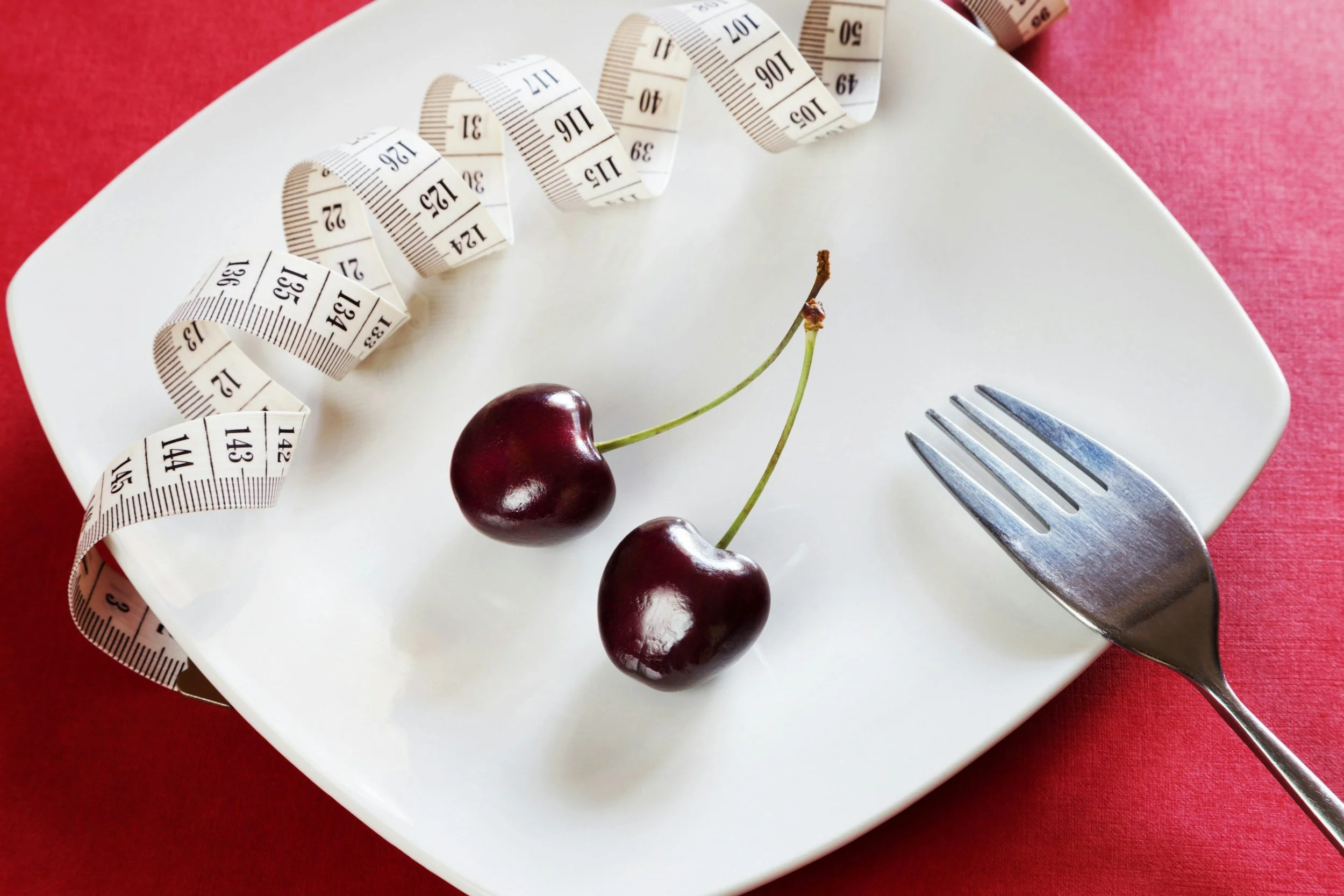
A lot of the food and body patterns I see in moms aren’t what most people would consider an “eating disorder.”
They’re much more subtle than that.
They often look like discipline. Responsibility. Health consciousness. “Trying to get it right this time.”
But underneath, they can quietly keep you stuck in the exact cycle you’re trying to escape - especially in pregnancy, postpartum, and early motherhood, when your body, nervous system, and identity are already under a lot of demand.
Here are some of the most common “healthy habits” that actually end up reinforcing food stress instead of easing it.
1. “Starting over” every Monday (or after every meal)
This one shows up as: “I’ll just reset tomorrow.”
On the surface, it feels hopeful. Motivating even.
But in practice, it often keeps you locked in a cycle of restriction → guilt → restart.
There’s no continuity. No repair. No learning.
Just a repeated return to “day one,” which quietly reinforces the idea that you keep failing instead of building consistency over time.
2. Cutting out “trigger foods” to stay in control
This is one of the most socially praised strategies - and one of the most misunderstood.
It often feels like safety: “If I just don’t have it in the house, I won’t struggle.”
But what tends to happen instead is increased mental preoccupation, stronger cravings, and eventually rebound eating that feels confusing or “out of control.”
Your brain doesn’t stop caring about food just because it’s labeled “off limits.”
It often cares more.
3. Tracking, overthinking, or mentally calculating food all day
This can look like “being mindful” or “staying accountable.”
But if food is taking up most of your mental bandwidth, it’s worth noticing what it’s doing to your nervous system.
For many moms, this turns eating into a constant background task - something that never fully turns off.
And when your brain is in ongoing food surveillance mode, there’s very little room left for presence, joy, or actual regulation.
4. Eating “perfectly” during the day, then losing control at night
This is one of the most common patterns I see in postpartum and exhausted moms.
And it is not a willpower problem.
It’s a biological response to under-fueling and restriction earlier in the day.
Your body doesn’t interpret “being good all day” as success - it interprets it as scarcity.
Nighttime eating often becomes the body’s way of catching up, not a sign of failure.
5. Labeling foods as “good” or “bad” in front of your kids
Even when it’s said casually, this is how diet culture quietly gets passed down.
Not through extreme restriction - but through language.
Kids learn that morality gets attached to food choices, even if that’s not your intention.
And many moms don’t realize they’re teaching food anxiety while trying to model “healthy eating.”
6. Only eating when you feel hungry enough
In motherhood, hunger cues are often inconsistent, delayed, or overridden entirely.
Waiting for “clear hunger” sounds intuitive - but for many parents, it leads to under-eating, energy crashes, and eventually rebound hunger that feels sudden or intense.
Consistency matters more than perfection here.
None of these are “bad habits.”
They’re adaptive strategies.
They often developed in response to stress, diet culture, body changes, and a genuine desire to feel okay in your body again - especially during seasons where so much already feels out of control.
The problem isn’t that you’re doing something wrong.
It’s that these strategies usually make sense, until they start costing you peace.
This is exactly the work I do with moms 🤍
Helping you step out of the restrict–binge–restart cycle.
Untangling food guilt from morality.
Rebuilding trust with your body after pregnancy, postpartum, and years of diet culture messaging.
And supporting you in feeling more at home in yourself again.
If you’re in Washington State and want support, you can book a free intro call here to see if working together feels like a good fit.