How Moralizing Food Shows Up in Pregnancy, Postpartum, and Parenthood
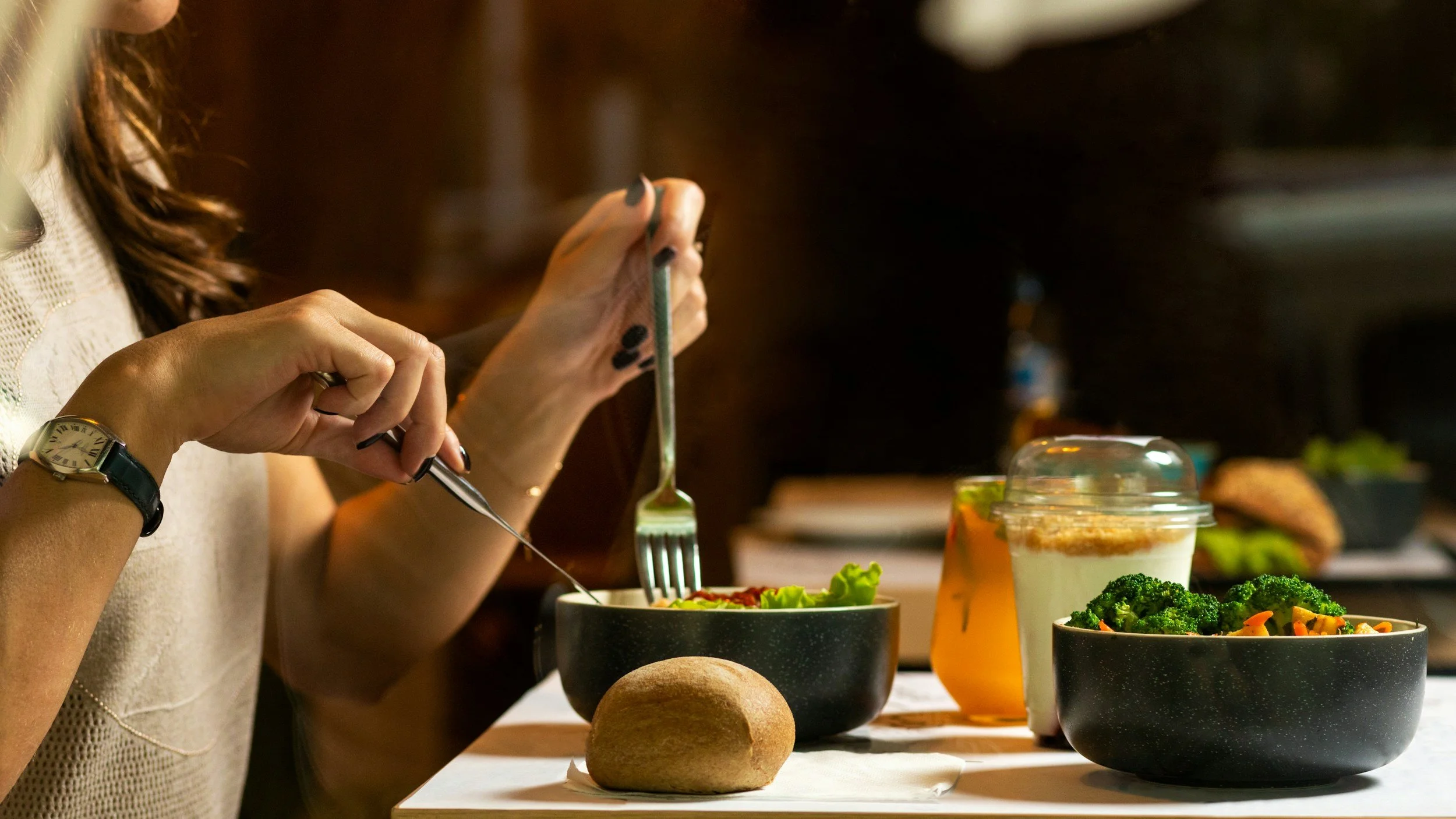
“I’m being good today.”
It’s a phrase many people say without even thinking about it.
Maybe you’ve said it after choosing a salad instead of a sandwich.
Or when you passed on dessert.
Or when you followed the food plan you told yourself you’d stick to.
But that phrase reveals something deeper.
“I’m being good today” is often a sign that food still feels moralized in your brain.
And if that’s true for you, you’re not alone.
Many people—especially those navigating pregnancy, postpartum, and parenthood—are carrying years of messages that quietly shaped their relationship with food and their bodies.
When Being “Good With Food” Was Praised
Growing up, many of us received praise for things that actually signaled a complicated relationship with food.
You may have been labeled:
the “healthy eater”
the “disciplined one”
the person who was “so good with food”
On the surface, these labels sound positive.
But underneath them, they often meant something else.
For many people, they meant learning to:
ignore hunger cues
tie self-worth to body size
feel anxious around certain foods
believe that control over food equals safety
When these behaviors are rewarded, they can become deeply ingrained.
They start to feel normal.
Why Pregnancy and Postpartum Can Make This Harder
Then pregnancy, postpartum, and parenthood happen.
And suddenly the strategies that once felt manageable start to fall apart.
Your body changes in ways you didn’t expect.
Your routine becomes unpredictable.
You may feel hungrier, more tired, or more emotionally vulnerable.
For people who relied on control around food to feel stable, this can feel incredibly unsettling.
Food may start to feel chaotic.
Your body may feel unfamiliar.
The pressure to “get your body back” may show up everywhere you look.
It can make you wonder:
Why does this feel so much harder now?
When Old Coping Systems Stop Working
Pregnancy and postpartum often reveal patterns that were already there.
Not because you failed.
But because these life transitions are profound.
They shift your body, your identity, your priorities, and your sense of control all at once.
When that happens, the systems that once helped you cope may no longer work the way they used to.
And that realization can feel scary.
But it can also be incredibly important.
Noticing Is the First Step Toward Healing
If you’ve found yourself thinking:
“I thought I had this handled… but maybe I don’t.”
That doesn’t mean you’re broken.
It means you’re noticing something.
And noticing is often the first step toward healing your relationship with food and your body.
When you begin questioning the beliefs you learned about food, discipline, and worth, you create space for something different.
Something gentler.
Something more sustainable.
Healing Your Relationship With Food in Parenthood
Many parents worry about the messages their children will absorb about food and bodies.
But healing your own relationship with food isn’t about being perfect.
It’s about becoming more aware.
It’s about learning to:
reconnect with hunger and fullness
reduce the guilt and anxiety around food
develop compassion for your body during seasons of change
model a more peaceful relationship with food for the next generation
Healing is not just for you.
It can shape the environment your children grow up in.
You Don’t Have to Navigate This Alone
If you’re pregnant, postpartum, or a parent who feels like food and body image have become more complicated, you’re not alone.
These struggles are far more common than most people realize.
And support can make a meaningful difference.
As a therapist specializing in perinatal mental health, eating disorders, and body image, I help parents navigate these challenges with compassion and practical tools for healing.
✨ If you’re ready for support, you can book a free intro call to work with me and learn more about therapy options.
You deserve a relationship with food and your body that feels more peaceful—during pregnancy, postpartum, and beyond.