Why Feeding Yourself Postpartum Is an Act of Healing (And Why It’s So Hard to Do)
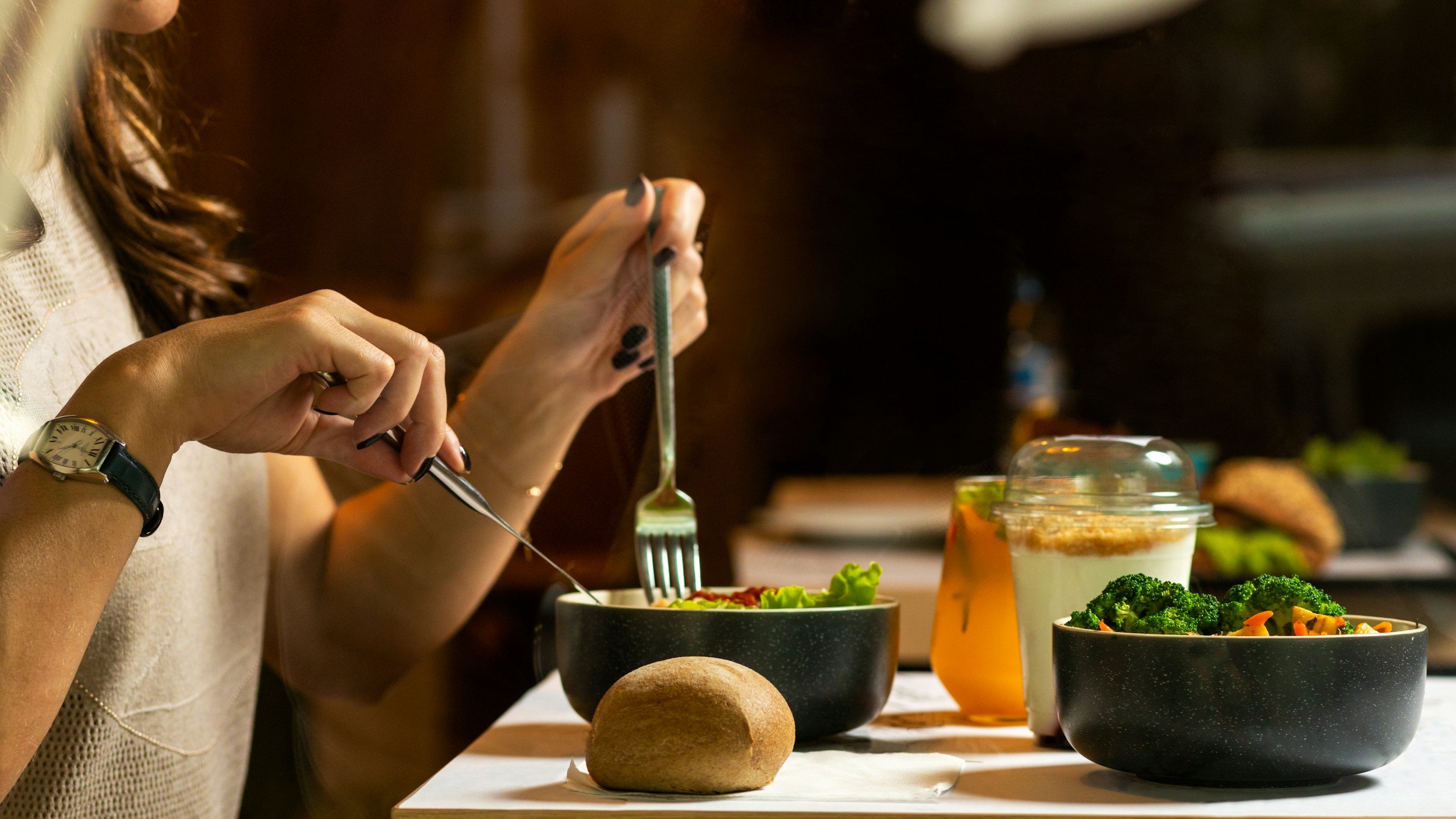
You kept the baby alive today. You’re healing a body that just did something extraordinary. You’re running on fragmented sleep that no longer counts as real rest. And somewhere in the middle of all of that, you’re supposed to remember to eat?
If you’re a new mom in Washington state - or anywhere, really - this probably sounds painfully familiar. The postpartum period asks everything of you, and somehow your own most basic needs become the first casualty.
Here’s what I want you to know: forgetting to feed yourself isn’t a personal failure. It’s a predictable response to an impossibly full season. And learning to nourish yourself again? That’s not indulgent. It’s part of your healing.
Why Feeding Yourself Falls to the Bottom of the List
As a postpartum therapist in Washington state, I work with new moms who are navigating one of the most demanding transitions of their lives. And one of the most common things I hear is some version of: “I just forget to eat.”
This makes complete sense when you understand what’s happening in the postpartum brain and body. You’re in survival mode - biologically, emotionally, and physically. Your nervous system is oriented toward your baby’s needs, your sleep deprivation is affecting your cognitive function, and the mental load of new motherhood leaves very little bandwidth for self-awareness.
Add to that the cultural messaging that tells moms to be selfless and endlessly giving, and it starts to feel almost wrong to prioritize yourself. Eating a full meal while the baby naps can feel like a luxury you haven’t earned yet.
But here’s the thing - that thinking is costing you more than you realize.
What Happens When You Don’t Nourish Yourself
Food isn’t just fuel. In the postpartum period, what you eat directly affects:
Your mood and emotional regulation. Blood sugar crashes contribute to irritability, anxiety, and that overwhelming sense of being on the edge. Consistent nourishment helps stabilize your nervous system.
Your energy levels. Sleep deprivation is unavoidable right now, but under-eating amplifies exhaustion in ways that make everything harder.
Your milk supply, if you’re breastfeeding. Your body needs significant additional calories to produce milk, and it will pull from your own reserves if you’re not eating enough.
Your healing. Your body is physically recovering from birth - whether vaginal or cesarean - and that process requires nutrients, protein, and energy.
Your mental health. There is a real and well-documented connection between nutrition and postpartum mood disorders. While food alone isn’t a treatment for postpartum depression or anxiety, it is one piece of the foundation your mental health sits on.
Small shifts in behavior - like eating a real meal - can create measurable improvements in how you feel. That’s not a small thing. That’s everything.
Practical Ways to Actually Make It Happen
Knowing you should eat and actually eating are two very different things when you’re postpartum. Here are a few low-barrier strategies that can help:
Keep snacks within arm’s reach. Wherever you nurse or feed your baby, keep a basket of easy snacks nearby - granola bars, nuts, crackers and cheese, dried fruit. You don’t have to get up. You just have to reach.
Get specific when people offer to help. When someone says “let me know if you need anything,” tell them exactly what you need: a meal dropped off, a grocery run, a batch of snacks. People want to help - give them something concrete to do.
Lower the bar completely. A handful of crackers and some peanut butter is a meal right now. A smoothie counts. Leftovers eaten cold over the sink count. This is not the season for elaborate cooking, and releasing that expectation is its own form of self-care.
Make it part of a routine. Try tying eating to something you already do consistently - the first morning feed, after the baby goes down for a nap, before your partner leaves for work. Anchoring a new behavior to an existing one makes it easier to remember.
Talk about it in therapy. If you find that consistently neglecting your own needs feels deeply ingrained - like it goes beyond just being busy - that’s worth exploring. For many moms, difficulty receiving care or prioritizing themselves has roots that long predate the baby.
You Deserve Support Too
If you’re in the thick of the postpartum season and feeling like you’re barely holding it together, please know that’s not a sign you’re doing it wrong. It’s a sign you’re human, in one of the most demanding seasons of life - and that you might benefit from having someone in your corner.
I’m a postpartum therapist in Washington state, and I specialize in supporting new moms and families through the transition to parenthood. Whether you’re navigating postpartum anxiety, struggling with your identity as a mother, or just feeling completely overwhelmed - I’d love to connect.
I’m currently accepting new clients. [Click here to learn more and schedule a consultation.]
You kept the baby alive today. That really does deserve a standing ovation. And so does every quiet, small act of taking care of yourself along the way.
Andrea is a licensed therapist in Washington state specializing in postpartum mental health, body image, and the transition to motherhood. She works with individuals and couples navigating the challenges of new parenthood.