Why Postpartum Moms Feel So Overwhelmed (It’s Not You - It’s the Expectations)
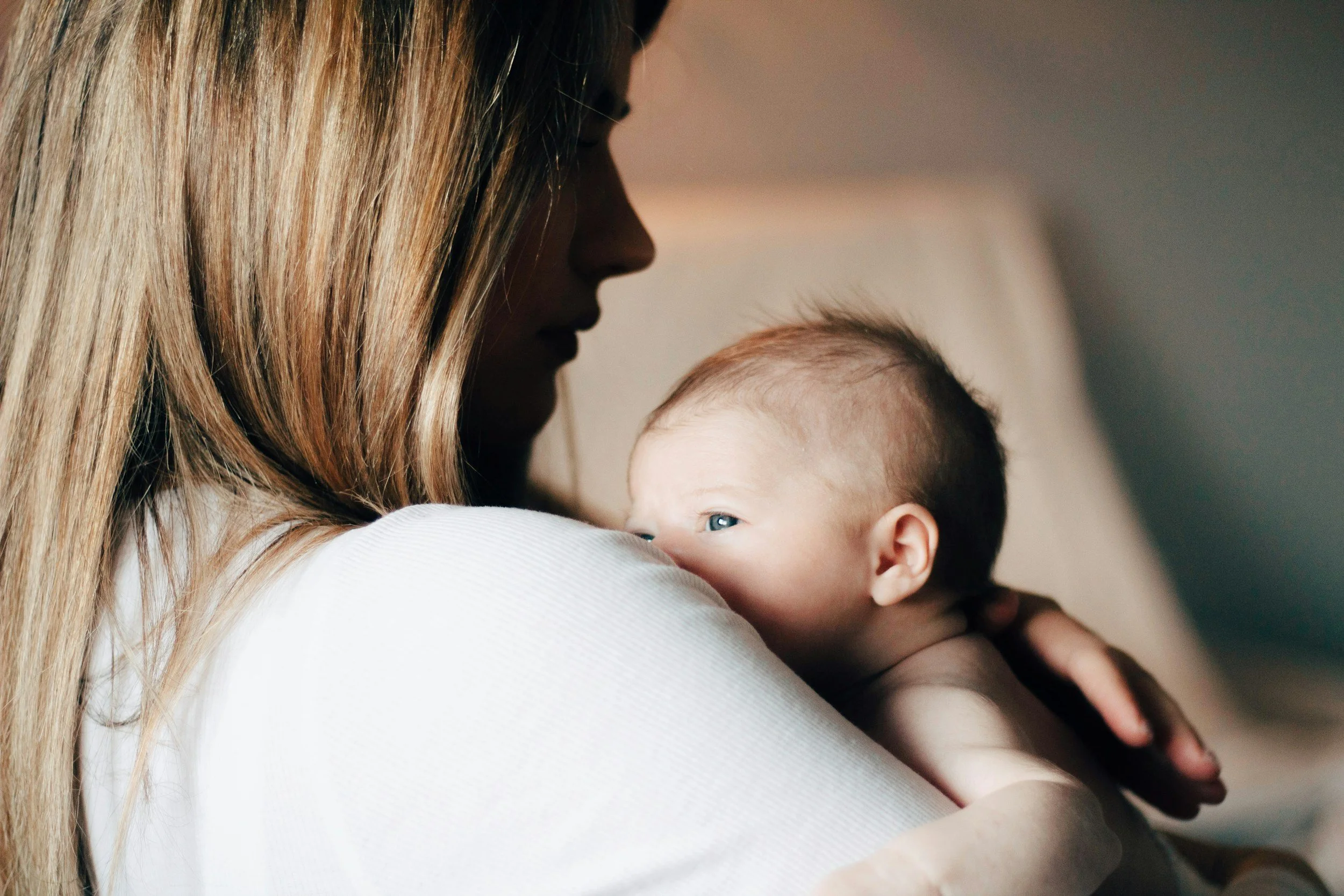
POV: you’re a postpartum mom trying to…
ignore the voice telling you to lose the baby weight
eat enough to keep your milk supply up
figure out what to feed your toddler (who won’t eat anything)
and remember if you drank water today
And you’re wondering:
Am I just overwhelmed… or is this actually too much?
The Invisible Pressure of Postpartum Motherhood
If you’re navigating postpartum right now, the mental load can feel relentless.
You’re trying to support your healing body, care for your baby, and somehow stay on top of your own basic needs - all while managing constant noise about your body and food.
This is where so many moms get stuck:
Feeling like they’re failing at something that was never realistic to begin with.
Because the expectations placed on postpartum moms are often completely contradictory.
The Contradictions No One Talks About
Why are we expected to:
Nourish our bodies and shrink them at the same time
Support milk supply while also trying to lose the baby weight
Heal postpartum while being told to “get your body back” ASAP
Raise kids with a healthy relationship with food… when we were never taught how
It’s not that you’re doing it wrong.
It’s that you’re being asked to do opposing things in a body that is already healing, depleted, and adjusting to a massive life transition.
No wonder it feels like too much.
Postpartum Body Image and Food Guilt Are Not Personal Failures
Many of the moms I work with in Seattle come to therapy feeling exhausted by postpartum body image struggles and food guilt.
They tell me things like:
“I know I should be eating more, but I feel guilty when I do.”
“I want to feel better in my body, but I also don’t want to obsess like this.”
“I don’t want to pass this down to my kids… but I don’t know how to stop.”
If that’s you, you’re not alone.
Struggling with your postpartum body image, your relationship with food, or food guilt after pregnancy doesn’t mean you’re failing.
It means you’re navigating a system that prioritizes productivity, appearance, and “bouncing back” - instead of actual support.
What “Doing Your Best” Might Actually Look Like Right Now
So if today looked like:
eating whatever was easiest
forgetting to drink enough water
scrolling instead of resting
keeping everyone alive and calling it a win
You’re not behind.
You’re responding to the reality of postpartum life.
Sometimes “doing your best” in this season doesn’t look like optimizing your nutrition or loving your body.
Sometimes it looks like:
meeting your basic needs as best you can
choosing ease over perfection
letting “good enough” actually be enough
You’re Not the Problem - The System Is
Postpartum support in our culture is often minimal, while expectations remain incredibly high.
You’re expected to:
recover quickly
look a certain way
feed your baby “perfectly”
raise intuitive eaters
and somehow stay mentally well through all of it
All without the structural, emotional, and practical support that would actually make this sustainable.
So if it feels hard, that’s not a personal failure.
That’s a completely valid response to unrealistic expectations.
A More Compassionate Way Forward
What if the goal right now isn’t to:
fix your body
get it all right
or finally feel “on top of everything”
But instead to:
reduce pressure
increase support
and relate to yourself with more honesty than judgment
Healing your relationship with your body and food - especially in pregnancy and postpartum - isn’t about doing it perfectly.
It’s about doing it differently.
You Don’t Have to Do This Alone
If you’re feeling overwhelmed by postpartum body image, food guilt, or the mental load of motherhood, support can make a real difference.
As a Seattle-based perinatal mental health therapist, I help moms:
Heal their relationship with food
Navigate postpartum body changes
Reduce body image distress
Break generational cycles around food and body
If you’re in Seattle or anywhere in Washington, I offer virtual therapy designed specifically for this season of life.
👉 You can learn more about working with me
👉 Or reach out to schedule a consultation
Final Thoughts
We’re not doing this perfectly over here.
We’re doing it honestly.
And if you’re in the thick of postpartum, trying to care for yourself while caring for everyone else… you’re not behind.
You’re a mom in a system that was never designed to support you.