Eating Disorders During Pregnancy and Postpartum: The Signs We’re Missing
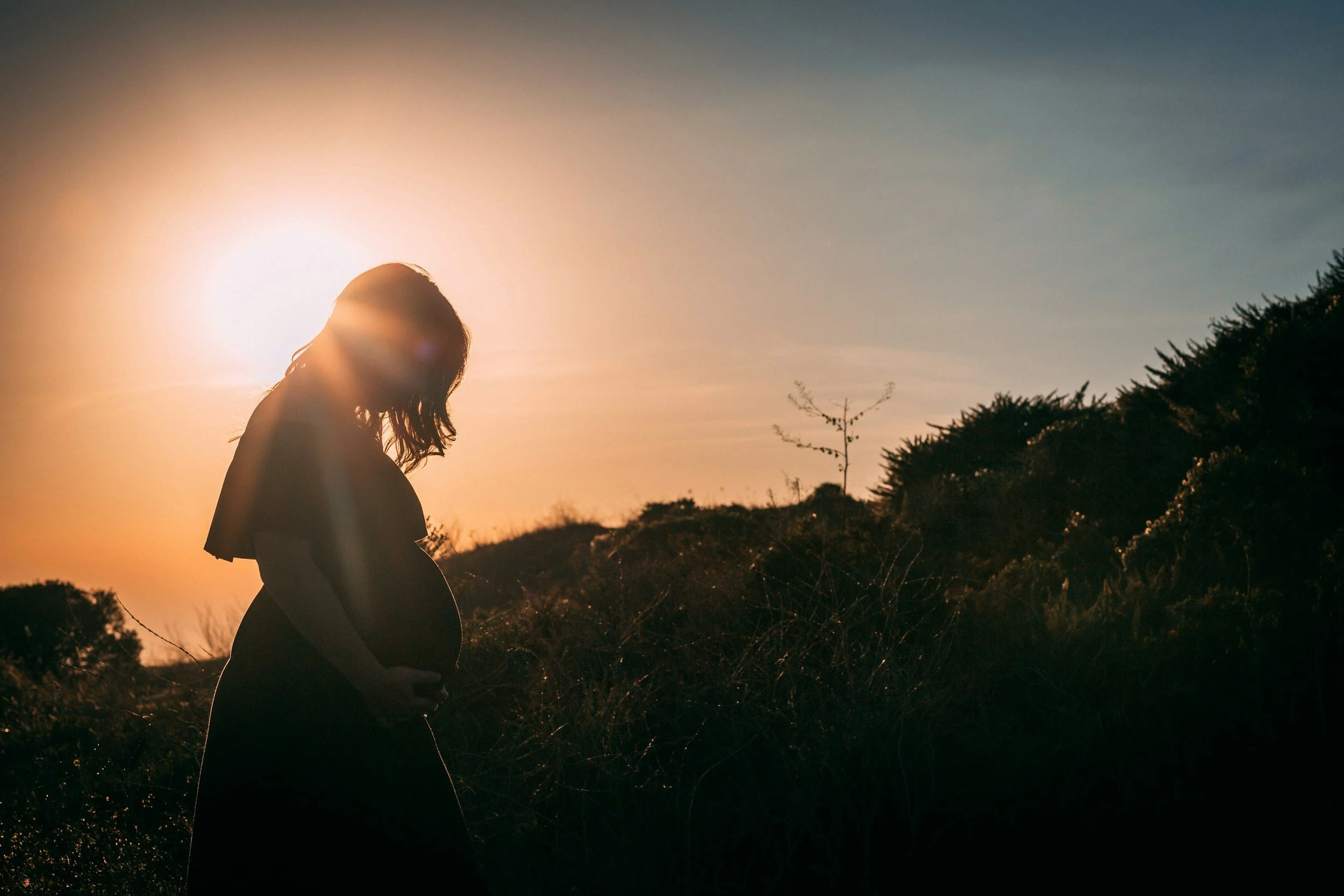
We’re not talking about this enough: eating disorders during pregnancy and postpartum.
If you’re struggling with your relationship with food or your body during this season - and wondering if it “counts” - you’re not alone.
The truth is, eating disorders in pregnancy and postpartum are far more common than most people realize.
They’re just often missed.
Why Eating Disorders Are So Often Overlooked
One of the biggest reasons eating disorders go undetected is because of outdated stereotypes.
Many people still assume eating disorders only affect:
Thin individuals
Young women
People who visibly “look sick”
But that’s not the reality.
Eating disorders affect:
People in larger bodies
Men
Older adults
People of color
High-functioning moms
People of any size, shape, or background can struggle with disordered eating.
In fact, research shows that 94% of individuals with eating disorders are in average or higher-weight bodies - not underweight.
Even more concerning?
Individuals in higher-weight bodies are more likely to engage in disordered eating behaviors, yet they are diagnosed at about half the rate.
This gap means many people go without the support they need.
Eating Disorders in Pregnancy and Postpartum
This issue becomes even more complex during pregnancy and postpartum.
These are seasons of:
Rapid body changes
Increased focus on weight
Heightened vulnerability
Identity shifts
And yet, eating disorders are still frequently overlooked.
What the Research Shows
40.2% of women report concerns about their weight during pregnancy
Around 15% of pregnant women will experience an eating disorder at some point in their lives
Approximately 5–7.5% are actively struggling during pregnancy
Despite these numbers, many cases go unrecognized—especially when someone appears to be “functioning well.”
The Hidden Signs of Disordered Eating in Moms
Eating disorders during pregnancy and postpartum don’t always look obvious.
They can show up as:
Constant thoughts about food or body
Guilt or anxiety after eating
Rigid food rules
Compulsive or compensatory exercise
Feeling “out of control” around food, followed by attempts to regain control
Hyper-awareness of body changes
From the outside, this can look like:
“Being healthy”
“Being disciplined”
“Just trying to do things right”
But internally, it can feel exhausting and overwhelming.
Why Missing Eating Disorders Matters
When eating disorders are minimized or overlooked:
Support is delayed
Treatment is delayed
Patterns become more ingrained
And the longer someone goes without help, the harder recovery can feel.
This is especially important during pregnancy and postpartum, when both physical and emotional demands are already high.
We Need to Talk About This More
Eating disorders during pregnancy and postpartum are not rare.
They’re just under-recognized.
We need:
More awareness
Better screening from providers
More open conversations
Less reliance on outdated stereotypes
Most importantly, moms need to know:
You don’t have to “look sick” to deserve support. You don’t have to wait until it gets worse.
Support for Eating Disorders in Pregnancy and Postpartum
If you’re struggling, support is available.
Organizations like Postpartum Support International offer free virtual support groups specifically for pregnancy and postpartum.
You don’t have to navigate this alone.
Therapy Support in Washington State
If you’re located in Washington and want individualized support for:
Disordered eating
Body image concerns
Food struggles during pregnancy or postpartum
I currently have one opening in my caseload.
You can reach out about working with me here.
This is something we need to start seeing - and talking about - more clearly.
Because when we expand what eating disorders actually look like, we make it easier for people to get the support they deserve.